Blog
Alpha-Ketoglutarate Supplement Basics: Evidence and Gaps
An alpha-ketoglutarate supplement gives you a chemical your body already makes. RxList rates it possibly effective only when given by IV or in dialysis, finds the evidence for oral uses insufficient, and sets no oral dose. In Melonex it is paired with arginine in one salt line capped at 250 mg.
Written by the Melonexcare editorsUpdated · 4 min read
No. 01The basics
What is an alpha-ketoglutarate supplement?
An alpha-ketoglutarate supplement, often called AKG, is a capsule or powder of a chemical that is already found in your body.
RxList describes alpha-ketoglutarate as a chemical found in the body (RxList, alpha-ketoglutarate). Cells use it in everyday energy chemistry, which is why you will see it in many wellness ads.
Being a natural body chemical is not the same as being a proven supplement. Your body also holds sodium and iron, and nobody takes them without checking.
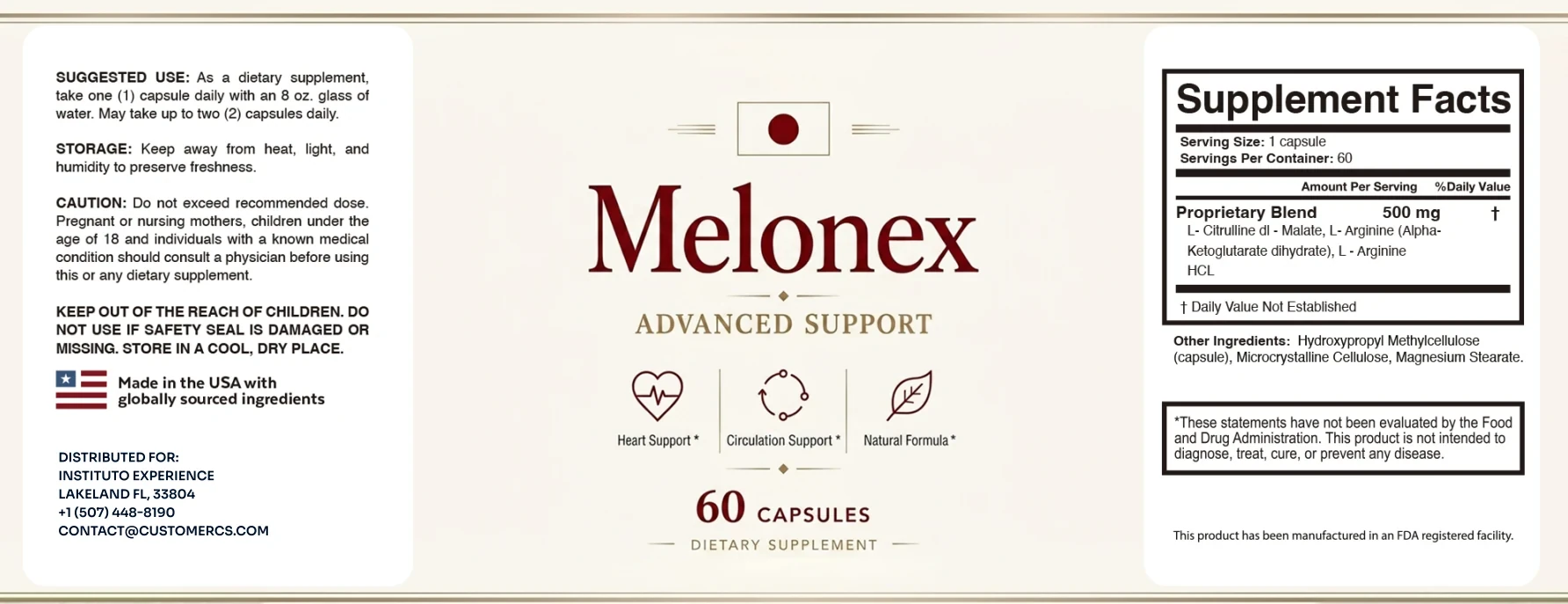
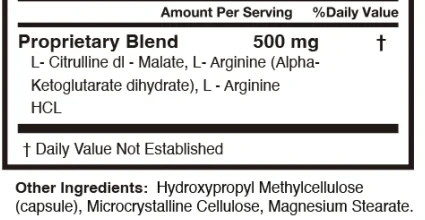
In Melonex, AKG is not a stand-alone ingredient. It is bonded to arginine as one salt, written on the label as L-arginine (alpha-ketoglutarate dihydrate). So the label gives you one line to read, not two.
No. 02The evidence
Does alpha-ketoglutarate work when taken by mouth?
The evidence for taking it by mouth is thin, and RxList calls it insufficient for athletic performance and other oral uses.
The "possibly effective" ratings RxList gives are for AKG delivered by IV or in dialysis, such as around heart surgery or muscle breakdown after trauma (RxList, alpha-ketoglutarate). A capsule from a shelf is a different route and a different setting.
RxList also calls it possibly safe for most adults, advises avoiding it in pregnancy and breast-feeding for lack of information, and sets no oral dose (RxList, alpha-ketoglutarate).
| How it is used | Rating or finding |
|---|---|
| By IV or in dialysis | Possibly effective for some hospital uses |
| By mouth for athletes | Evidence insufficient |
| By mouth, other uses | Evidence insufficient |
| Safety, most adults | Possibly safe |
| Pregnancy, nursing | Avoid, not enough information |
| Oral dose | None established |
No. 03On the label
How much AKG is in Melonex?
The label does not say. It lists L-arginine (alpha-ketoglutarate dihydrate) second in the blend, so that line is at most 250 mg per capsule.
FDA rules let a blend hide single amounts, but the order must follow weight (21 CFR 101.36). Second place out of 500 mg can hold at most 250 mg, and at the two-capsule maximum, 500 mg.
That is the weight of the whole arginine AKG salt. The AKG part is smaller, and we cannot split it further. Here are all six label lines with their ceilings.
| Label line | Place | 1 capsule | 2 capsules (label max) | Amount used in research | Evidence |
|---|---|---|---|---|---|
| L-Citrulline DL-Malate | 1 of 3 | at most 500 mg | at most 1,000 mg | 3-9 g a day of L-citrulline in blood pressure trials (1-17 weeks) (Barkhidarian 2019, citrulline and BP) (NIH ODS, arginine and citrulline) (RxList, L-citrulline) | Small systolic drop in short, small trials; no trial of Melonex |
| L-Arginine (Alpha-Ketoglutarate dihydrate) | 2 of 3 | at most 250 mg | at most 500 mg | 4-24 g a day of L-arginine in blood pressure trials (Dong 2011, arginine and BP) (Mayo Clinic, L-arginine) (RxList, alpha-ketoglutarate) | Small drops in blood pressure in trials of grams a day; no trial of Melonex |
| L-Arginine HCL | 3 of 3 | at most 167 mg | at most 333 mg | 4-24 g a day of L-arginine in blood pressure trials (Dong 2011, arginine and BP) (Mayo Clinic, L-arginine) (VINTAGE MI trial (ACC summary)) | Same arginine research; the salt form adds no evidence |
| Hydroxypropyl Methylcellulose (capsule) | Other ingredient | not listed (inactive) | not listed (inactive) | Not a nutrient; it forms the capsule | Inactive ingredient |
| Microcrystalline Cellulose | Other ingredient | not listed (inactive) | not listed (inactive) | Not a nutrient; a filler | Inactive ingredient |
| Magnesium Stearate | Other ingredient | not listed (inactive) | not listed (inactive) | Not a nutrient; a flow agent | Inactive ingredient |
No trial we know of tested this salt at this size. So we treat AKG as a part of the label to understand, not as a feature to sell.
Think of a pill organizer. The capsule is one compartment holding a mixed powder, and the label tells you only the total weight of the powder. That is why we use ceilings and not guesses.
No. 04Before you buy
What should you ask before taking an AKG supplement?
Ask what the form is, what dose is claimed, and who has tested it.
- Is it AKG alone, or a salt with an amino acid, as in Melonex?
- Does the maker state a dose, or only a blend total?
- Do you take medicine, are you pregnant or nursing, or do you have a health condition?
RxList advises avoiding AKG in pregnancy and breast-feeding (RxList, alpha-ketoglutarate). The Melonex label tells you to consult a physician first.
Because arginine is in the same salt, the arginine cautions apply too. Mayo Clinic lists blood thinners, blood pressure drugs, nitrates, sildenafil and diabetes drugs as interactions (Mayo Clinic, L-arginine). Keep taking prescribed medicine, and tell your doctor what you add.
No. 05Go deeper
Where can you read more about AKG in Melonex?
The ingredient pages cover each line in detail.
The arginine AKG page reads the line aloud. The malate and AKG page explains the two acid partners, and the supplement facts page shows the full panel.
For the other halves of the formula, see citrulline vs arginine and how much citrulline studies used.
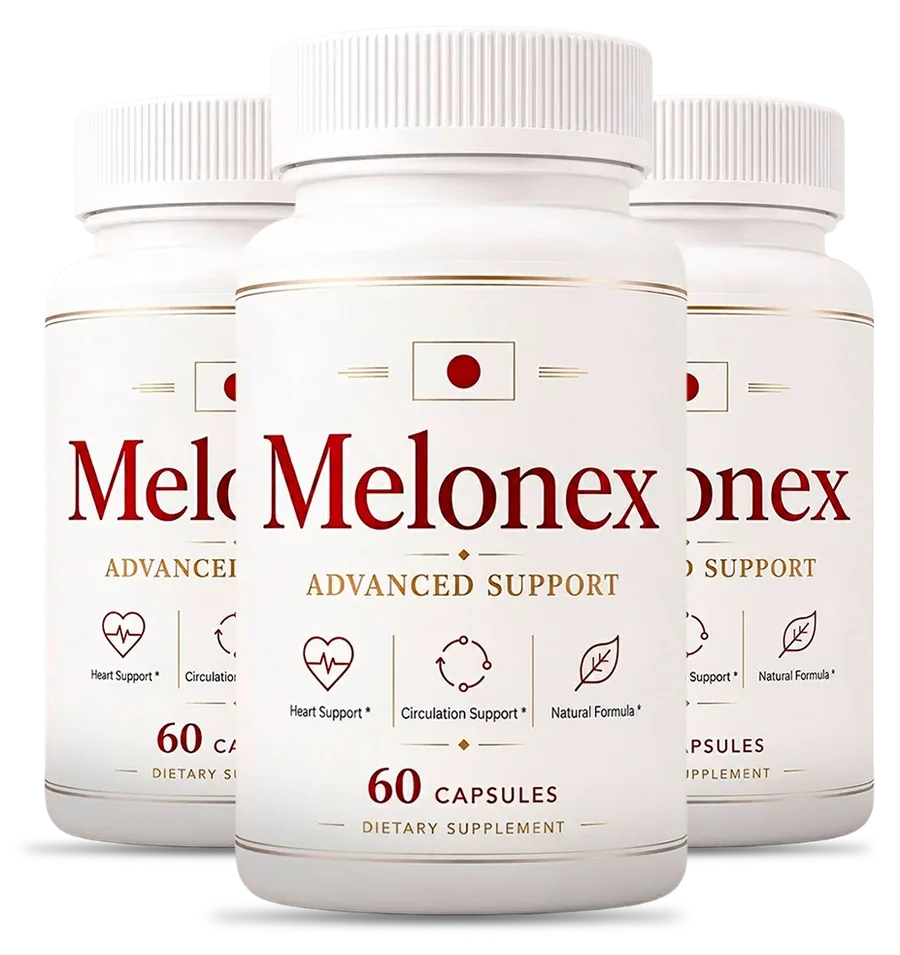
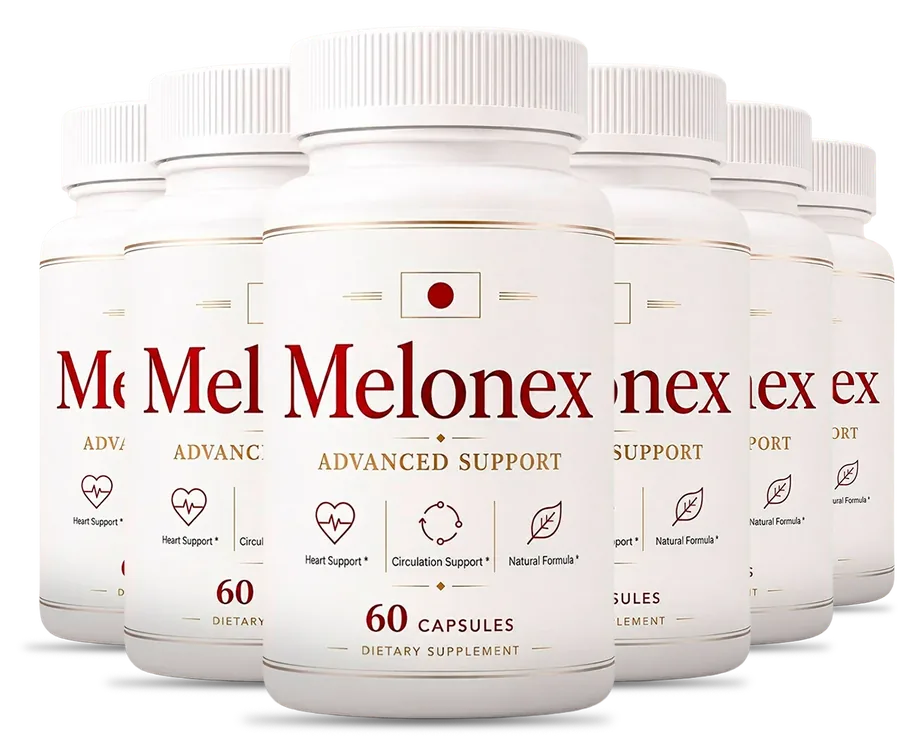
Prices as listed on the seller’s order page, October 19, 2026; confirm at checkout. The 2-bottle kit is $158 plus $9.99 shipping. Check your medicines with your doctor first. 60-day money-back guarantee (seller’s terms).
Melonex is a dietary supplement, not a treatment. Ask your doctor or pharmacist first if you take a nitrate for chest pain, an erectile-dysfunction drug such as sildenafil, any blood pressure medicine, a potassium-sparing diuretic, a blood thinner or a diabetes medicine, or if you have had a heart attack. Arginine and citrulline can push blood pressure down further. Keep taking prescribed medicine. See side effects and interactions.
No. 06FAQ
Melonex questions people ask
Is alpha-ketoglutarate the same as AKG?
Yes. AKG is the short name for alpha-ketoglutarate,. On the Melonex label it appears inside the line L-arginine (alpha-ketoglutarate dihydrate).
How much alpha-ketoglutarate should you take?
No oral dose is established, per RxList. We will not suggest one. Follow the label of any product you use, and ask your doctor or pharmacist what suits you.
Can you take AKG while pregnant?
RxList advises avoiding it in pregnancy and breast-feeding because information is lacking. The Melonex label also tells pregnant or nursing mothers to consult a physician first.
Does AKG build muscle?
RxList finds the evidence insufficient for athletic performance by mouth. We do not claim muscle effects for Melonex. Its label stamps speak of heart and circulation support, with an asterisk.
No. 07Who wrote this
Written and reviewed by
Pages built from the bottle label, the seller’s order page and linked NIH, FDA, CDC, AHA, FTC and peer-reviewed sources.
Last updated . Learn about our editorial standards and how we check reviews. This website is run by Melonexcare, which describes itself as an authorized American Melonex outlet. It is not the manufacturer or the label’s distributor. Buying through our order links earns us money.

Keep reading
More about Melonex
Authorized American Melonex outlet
Ready to start Melonex?
Bring the label to your doctor or pharmacist first, then choose a pack. Six bottles cost the least per bottle, and the seller lists a 60-day money-back guarantee on every kit.
- Secure checkout
- 60-day money-back
- Ships from the U.S.