Guide
What Are Heart Health Supplements, and What Can One Really Do?
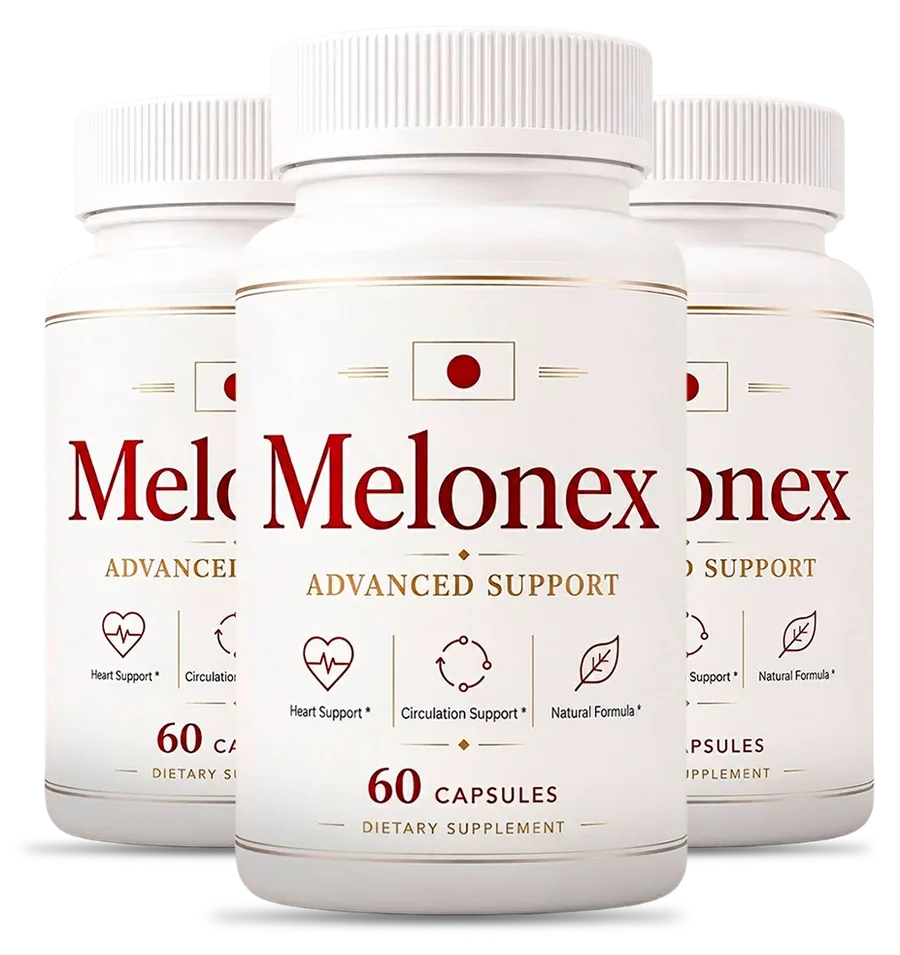
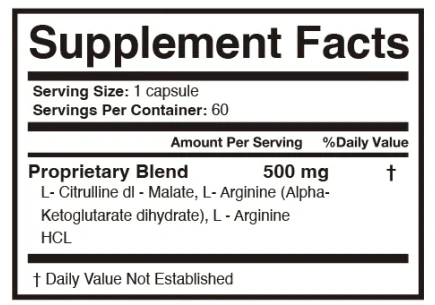
Heart health supplements are pills, capsules or powders sold to sit beside a heart-friendly routine. They are not medicines. Studies of some ingredients show small changes in blood pressure at gram doses, and the FDA does not approve supplements. Melonex is one such capsule: a 500 mg blend of L-citrulline DL-malate and two forms of L-arginine, and no trial has tested it.
Written by the Melonexcare editorsUpdated
No. 01The short answer
What are heart health supplements?
Heart health supplements are products sold as capsules, tablets, powders or gummies, with ingredients picked because someone studied them in connection with the heart or blood pressure.
A heart health supplement is a food-style product, not a drug. The FDA does not approve dietary supplements for safety and effectiveness, and the company that sells one is responsible for its safety (FDA 101: Dietary supplements).
A heart health supplement may not claim to treat or prevent a disease. A product meant to treat, prevent, cure or ease a disease is a drug in the FDA's eyes (FDA 101: Dietary supplements). That is why labels use softer words such as "support".
Think of it the way a pharmacist would at the counter. The bottle can be a small part of a day. It is never the part that does the heavy lifting.
Nearly half of U.S. adults, 48.1 percent, have high blood pressure, which is why this shelf of the store is so crowded (CDC, High blood pressure facts).
No. 02Common types
What kinds of heart health supplement are sold?
Most heart health supplements fall into four groups: amino acids, plant extracts, fish or algae oils, and minerals or vitamins.
The groups are easy to tell apart on the label. The evidence behind each one is not equally strong, and for many it is small or mixed.
Amino acids
L-arginine and L-citrulline are in this group. Trials gave them in grams a day and saw small blood pressure changes (Barkhidarian 2019, citrulline and BP) (Dong 2011, arginine and BP). Melonex belongs here.
Plant extracts
Garlic and green tea are examples. A federal review found the evidence mostly small, early or mixed, and garlic may raise bleeding risk with blood thinners (NCCIH, Hypertension digest).
Oils
Omega-3 products are the best known. The same federal review says they may interact with anticoagulant drugs (NCCIH, Hypertension digest).
Minerals
Potassium is one. Low intake raises blood pressure risk, yet some heart medicines can push potassium too high, so a supplement is a question for your pharmacist (NIH ODS, Potassium).
Cholesterol products are a separate shelf. They are covered on cholesterol supplements explained.
No. 03Label wording
What does a heart label stamp really tell you?
A heart label stamp tells you what the seller wants you to think about, not what a study showed for that bottle.
The wording is called a structure-function claim. It may describe how an ingredient affects the body's normal structure, as long as the label carries the FDA disclaimer (FDA, Is it really FDA approved?). The disclaimer is what the little asterisk points to.
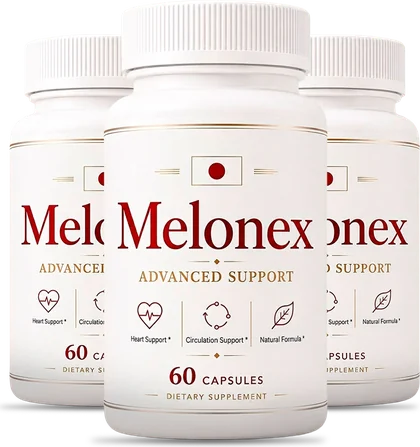
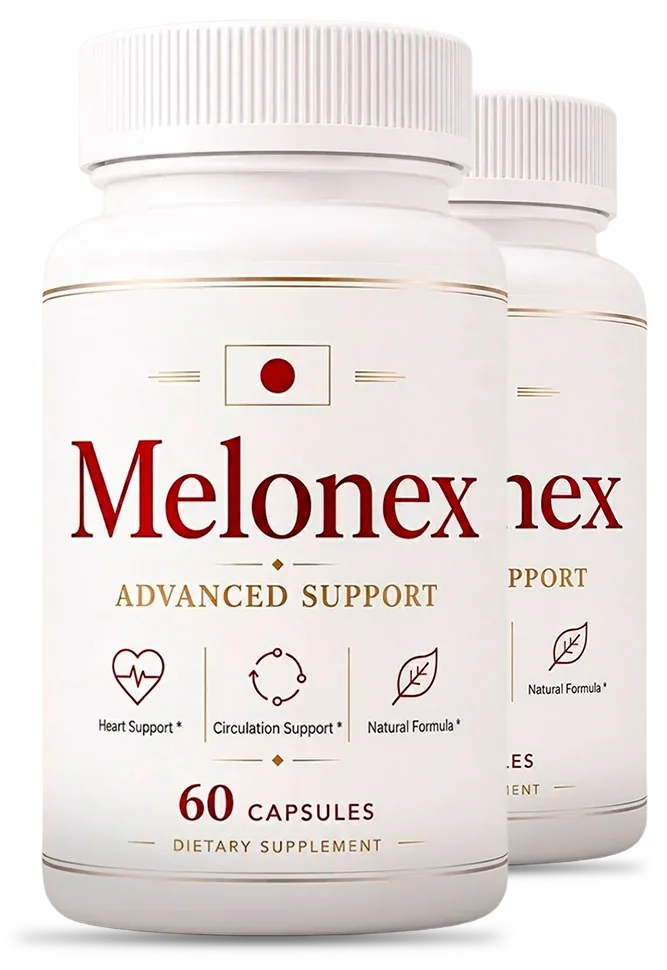
Melonex shows three stamps on the front: "Heart Support*", "Circulation Support*" and "Natural Formula*". We read each one below.
- “Heart Support*”On the bottle: A heart with a pulse line.
Says what the brand aims at. It is not a result and not a promise about your heart.
- “Circulation Support*”On the bottle: A circle of arrows.
Points at arginine and citrulline, which research ties to blood vessels at gram doses.
- “Natural Formula*”On the bottle: A leaf.
Describes the formula's style. Amino acids can still interact with medicines.
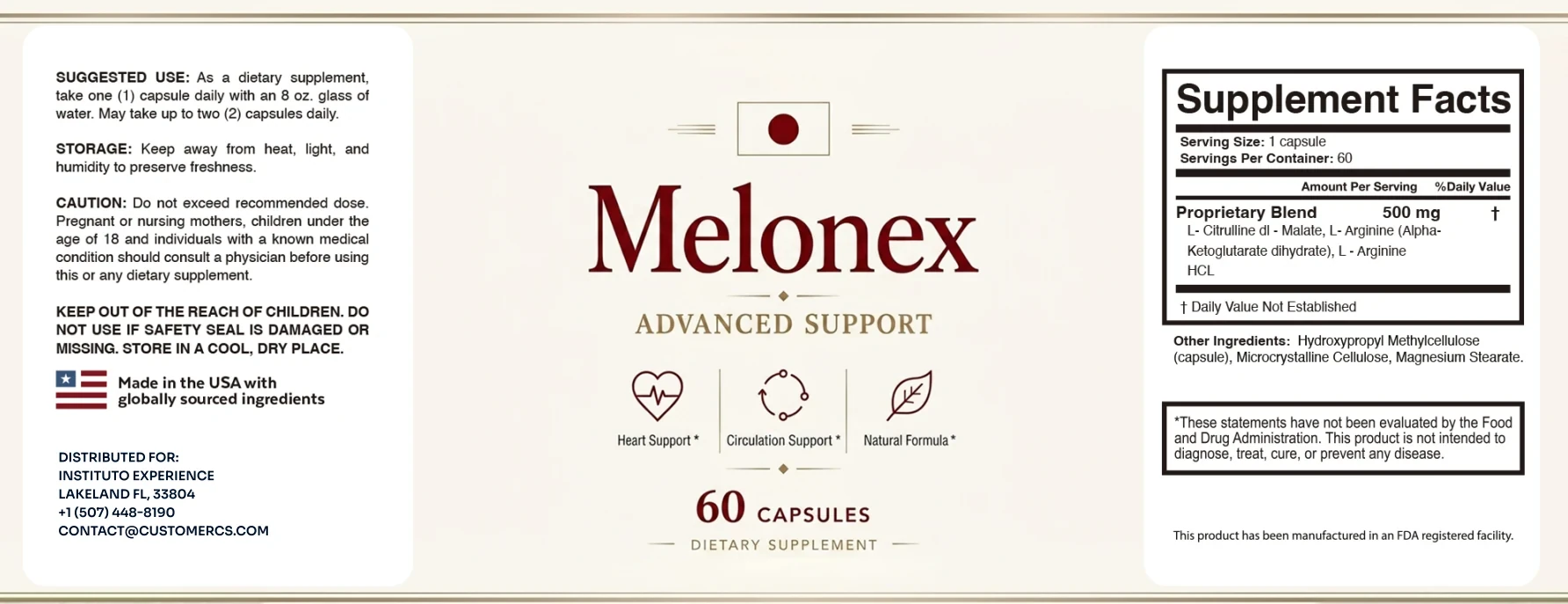
*These statements have not been evaluated by the Food and Drug Administration. This product is not intended to diagnose, treat, cure, or prevent any disease. (printed on the label)
"Natural" is no safety rating either. Natural products can interact with medicines (NCCIH, Using supplements wisely).
No. 04Circulation
What is a circulation supplement?
A circulation supplement is a product whose label hints at healthy blood flow, usually through ingredients that the body uses to make nitric oxide.
Your blood vessels are not stiff pipes. They widen and narrow all day, and nitric oxide is one of the body's signals for widening. The body makes arginine from citrulline and uses arginine to make that signal.
That sounds like a neat chain. The catch is the amount. The studies that saw a small change in blood pressure used 3 to 9 g a day of citrulline or 4 to 24 g a day of arginine (Barkhidarian 2019, citrulline and BP) (Dong 2011, arginine and BP). One Melonex capsule holds a 500 mg blend in total.
So a circulation supplement does not promise a result a doctor could measure. At best the label points to an idea. The ingredients page shows the ceiling math for each Melonex line.
No. 05The evidence
Do blood pressure supplements work?
Sometimes, a little. Trials of a few amino acids saw small drops in blood pressure, and most were short and small.
Each number below is an average across trials, not a promise for one person. Averages hide people whose pressure did not change.
| Ingredient | Trials | Dose studied | Average change |
|---|---|---|---|
| L-citrulline | 8 small trials, 1 to 17 weeks (Barkhidarian 2019, citrulline and BP) | 3 to 9 g a day | Systolic about 4.1 mm Hg lower; diastolic change not clear |
| L-arginine | 11 trials, 387 people (Dong 2011, arginine and BP) | 4 to 24 g a day | About 5.4 mm Hg lower systolic and 2.7 mm Hg lower diastolic |
WebMD, summing up the arginine research, says it may give small improvements and may not be enough to manage high blood pressure (WebMD, L-arginine). For people with a diagnosis, the usual care is lifestyle change plus medicine when needed (MedlinePlus, High blood pressure).
Whether a supplement works also depends on the dose in the bottle. Compare the numbers above with a 500 mg capsule before you hope for the same result.
No. 06Before you start
Who should ask a doctor before taking a heart health supplement?
Anyone who takes a prescription, has had a heart attack or is pregnant should ask first, because blood pressure supplements can add to real medicines.
- You take a blood pressure pill, a nitrate for chest pain, a blood thinner or a diabetes medicine. Arginine may interact with all of these (Mayo Clinic, L-arginine).
- You use sildenafil or a similar drug. Citrulline and those drugs can both lower pressure, and the interaction is rated major (RxList, L-citrulline).
- You have had a heart attack. Arginine is not recommended after a recent one (Mayo Clinic, L-arginine). The arginine after a heart attack page tells the story of the trial.
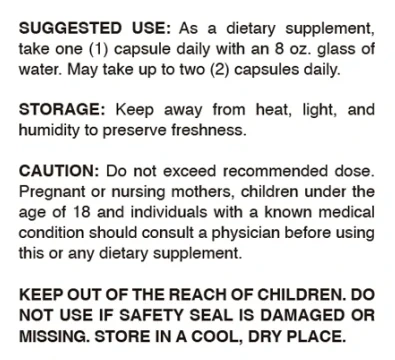
- You are pregnant or nursing, or you are under 18. The Melonex label asks you to talk to a physician.
Do not stop or change a heart or blood pressure medicine because a supplement caught your eye. Take the bottle to your doctor or pharmacist and ask. NCCIH also says to tell every provider what supplements you take (NCCIH, Using supplements wisely).
No. 07What helps more
What supports heart health better than a supplement?
Everyday habits have stronger backing than any bottle: less sodium, regular movement, enough sleep and a home log you share with your doctor.
The federal DASH eating plan sets a sodium target of 2,300 mg a day, and 1,500 mg lowers pressure even more (NHLBI, DASH eating plan). Most sodium comes from packaged and prepared foods, so the saltshaker is not the main source (FDA, Sodium in your diet).
The CDC advises 150 minutes a week of moderate activity (CDC, Adult activity) and at least 7 hours of sleep a night (CDC, Sleep and heart health). The American Heart Association groups these in Life's Essential 8, along with not smoking, weight, cholesterol and blood sugar (AHA, Life's Essential 8).
A ten-minute walk after lunch, a measured breakfast and a cuff reading each morning at the kitchen table do more for most people than any capsule. See the numbers on blood pressure numbers.
No. 08Where Melonex fits
Where does Melonex fit among heart health supplements?
Melonex is an amino acid capsule, one a day with an 8 oz. glass of water, sold with the label wording "Heart Support*". It has not been tested as a product.
The Supplement Facts panel shows a 500 mg proprietary blend: L-citrulline DL-malate, then L-arginine alpha-ketoglutarate, then L-arginine HCl. Single amounts are hidden, so the first line can hold at most 500 mg, the second at most 250 mg and the third at most 167 mg per capsule.
Prices on the seller's order page run from $79 a bottle on 2 bottles to $49 a bottle on 6 bottles, with free shipping on the 3- and 6-bottle packs. Confirm the total at checkout.
A fair way to see it: a simple, honest-looking label, small amounts and real interactions. Compare it with any other bottle using the ten-point checklist.
No. 09FAQ
Heart health supplement questions
Are heart health supplements regulated by the FDA?
Only after they reach the market. The FDA does not approve dietary supplements for safety and effectiveness. Makers must check safety and labeling before selling, and the FDA can act against unsafe or misbranded products later (FDA, Dietary supplements).
Is a heart health supplement the same as a heart medicine?
No. A medicine is meant to treat or prevent a disease, and the FDA reviews it. A supplement may not claim to do that. Keep taking any prescribed heart medicine exactly as directed.
What does the asterisk after “Heart Support*” mean?
The asterisk points to the FDA statement on the label. It says the words have not been evaluated by the FDA and that the product is not intended to diagnose, treat, cure or prevent any disease (FDA, Is it really FDA approved?).
Can a blood pressure supplement replace my pills?
No. Trials of amino acids saw small average changes, much smaller than a prescribed plan aims for. Ask your doctor before adding any supplement, and never stop a blood pressure medicine on your own.
Is a circulation supplement safe with sildenafil?
Ask your doctor or pharmacist first. Citrulline and sildenafil-type drugs can both lower blood pressure, and one drug reference lists the pair as a major interaction that should not be combined (RxList, L-citrulline).
How do I know if a heart supplement is worth buying?
Read the Supplement Facts panel. Look for printed amounts, doses close to the ones studied and an honest caution. The label checklist walks through ten such checks.
No. 10Who wrote this
Written and reviewed by
Pages built from the bottle label, the seller’s order page and linked NIH, FDA, CDC, AHA, FTC and peer-reviewed sources.
Last updated . Learn about our editorial standards and how we check reviews. This website is run by Melonexcare, which describes itself as an authorized American Melonex outlet. It is not the manufacturer or the label’s distributor. Buying through our order links earns us money.
Keep reading
More about Melonex
Authorized American Melonex outlet
Ready to start Melonex?
Bring the label to your doctor or pharmacist first, then choose a pack. Six bottles cost the least per bottle, and the seller lists a 60-day money-back guarantee on every kit.
- Secure checkout
- 60-day money-back
- Ships from the U.S.