Blog
Wrist vs Arm Blood Pressure Monitor: Which to Trust
In the wrist vs arm blood pressure monitor choice, the American Heart Association recommends a validated automatic upper-arm cuff and does not recommend wrist or finger monitors. Pick the right cuff size for your arm. Bring the monitor to a clinic about once a year to compare it.
Written by the Melonexcare editorsUpdated · 4 min read

No. 01The choice
Which is better, a wrist or an arm blood pressure monitor?
An upper-arm monitor is the better pick, because the AHA recommends validated automatic upper-arm cuffs and not wrist or finger devices (AHA, Home monitoring).
A wrist vs arm blood pressure monitor shelf choice looks like a style question. The wrist model is small, light and easy to travel with, so it tempts many people.
The AHA still points to the upper arm. Small convenience is a fair thing to want, but it is not what the heart association checks first.
If you already own a wrist model, you do not need to panic. You can compare it with a clinic device, and you can ask your doctor which monitor to use from now on.
No. 02Side by side
How do wrist, finger and upper-arm monitors compare?
Only the validated automatic upper-arm cuff is recommended by the AHA; the other two are listed as not recommended (AHA, Home monitoring).
The table sticks to what the source says, in plain words. We do not add test results of our own, and we do not name or rank any brand of monitor.
| Type | AHA position | Plain note |
|---|---|---|
| Upper arm, automatic, validated | Recommended | Pick the right cuff size |
| Wrist | Not recommended | Compact, but not the AHA pick |
| Finger | Not recommended | Same advice as wrist |
No. 03Fit and check
How do you choose the right upper-arm cuff?
Choose a validated automatic model, then match the cuff to your arm, as the AHA asks for the right cuff size.
Check the box for the word validated, and measure your arm before you buy. A pharmacist can often help with sizing, and some stores let you check a cuff against your arm. Then bring the monitor to a clinic about once a year, so staff can compare it with theirs (AHA, Home monitoring).
- Validated, automatic, upper arm
- Cuff size that matches your arm
- Annual comparison at a clinic
Our step-by-step cuff post shows how to sit and wrap it.

No. 04Your numbers
What do your monitor readings mean?
Match them to the AHA and NHLBI categories, and remember that only a professional can diagnose high blood pressure (AHA, Blood pressure readings).
Write your readings down first, then type them in. Seeing the category beside each number makes a pattern easier to spot over a few weeks. Use the finder below to see where a reading falls. It explains ranges only. It cannot tell you what your own result means for your health.
- NormalTop: Under 120Bottom: and under 80
- ElevatedTop: 120-129Bottom: and under 80
- Stage 1Top: 130-139Bottom: or 80-89
- Stage 2Top: 140 or higherBottom: or 90 or higher
- SevereTop: Over 180Bottom: and/or over 120
Type a reading to see its category. One reading is not a diagnosis; a clinician confirms with readings on separate days.
Categories from the American Heart Association (AHA, Blood pressure readings) and NHLBI (NHLBI, High blood pressure). About 48% of U.S. adults have high blood pressure, and about 1 in 6 of them do not know it (CDC, High blood pressure facts). A reading over 180/120 with chest pain, shortness of breath, numbness, weakness, vision change or trouble speaking: call 911.
Two or more readings at separate visits are generally needed for a diagnosis (MedlinePlus, High blood pressure).
No. 05Your next step
What should you do once you have a good monitor?
Take readings the same way each day, write them down and share the whole list with your doctor. A steady method makes your log easier to read than a pile of random checks.
Please keep taking prescribed medicine, and tell your doctor about home readings that worry you. Our blood pressure numbers page and heart health basics page cover the rest, and the sodium label post covers one habit that matters.
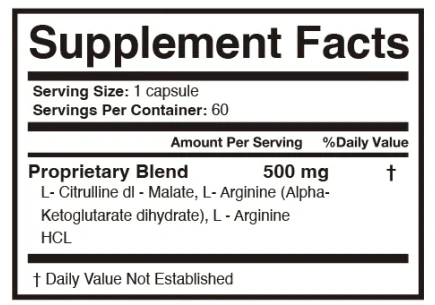
A Melonex capsule is a supplement beside such habits, not a substitute for a monitor or a medicine. The 3- and 6-bottle packs are below, as listed in the seller's materials; confirm at checkout.


Prices as listed on the seller’s order page, October 19, 2026; confirm at checkout. The 2-bottle kit is $158 plus $9.99 shipping. Check your medicines with your doctor first. 60-day money-back guarantee (seller’s terms).
Melonex is a dietary supplement, not a treatment. Ask your doctor or pharmacist first if you take a nitrate for chest pain, an erectile-dysfunction drug such as sildenafil, any blood pressure medicine, a potassium-sparing diuretic, a blood thinner or a diabetes medicine, or if you have had a heart attack. Arginine and citrulline can push blood pressure down further. Keep taking prescribed medicine. See side effects and interactions.
No. 06FAQ
Melonex questions people ask
Are wrist blood pressure monitors accurate?
For home use, the AHA advises against wrist or finger monitors. It points to validated automatic upper-arm cuffs instead. If you already own a wrist model, compare it with a clinic device and ask your doctor.
Can I use a wrist monitor if I cannot use an arm cuff?
Ask your doctor before relying on one. The AHA does not recommend wrist devices, but your clinician knows your situation and may suggest a plan. Compare any home device with the clinic's reading.
How do I know if a monitor is validated?
Check the box or the maker's page for the word validated, and ask your pharmacist or clinic. The AHA advises a validated automatic upper-arm model. Bring it to a clinic about once a year to compare.
What cuff size should I buy?
Buy the size that fits your upper arm. The AHA stresses the right cuff size, since a cuff that is too small or large can mislead you. Measure your arm or ask a pharmacist before you order.
No. 07Who wrote this
Written and reviewed by
Pages built from the bottle label, the seller’s order page and linked NIH, FDA, CDC, AHA, FTC and peer-reviewed sources.
Last updated . Learn about our editorial standards and how we check reviews. This website is run by Melonexcare, which describes itself as an authorized American Melonex outlet. It is not the manufacturer or the label’s distributor. Buying through our order links earns us money.
Related
More from the Melonex blog

Keep reading
More about Melonex
Authorized American Melonex outlet
Ready to start Melonex?
Bring the label to your doctor or pharmacist first, then choose a pack. Six bottles cost the least per bottle, and the seller lists a 60-day money-back guarantee on every kit.
- Secure checkout
- 60-day money-back
- Ships from the U.S.